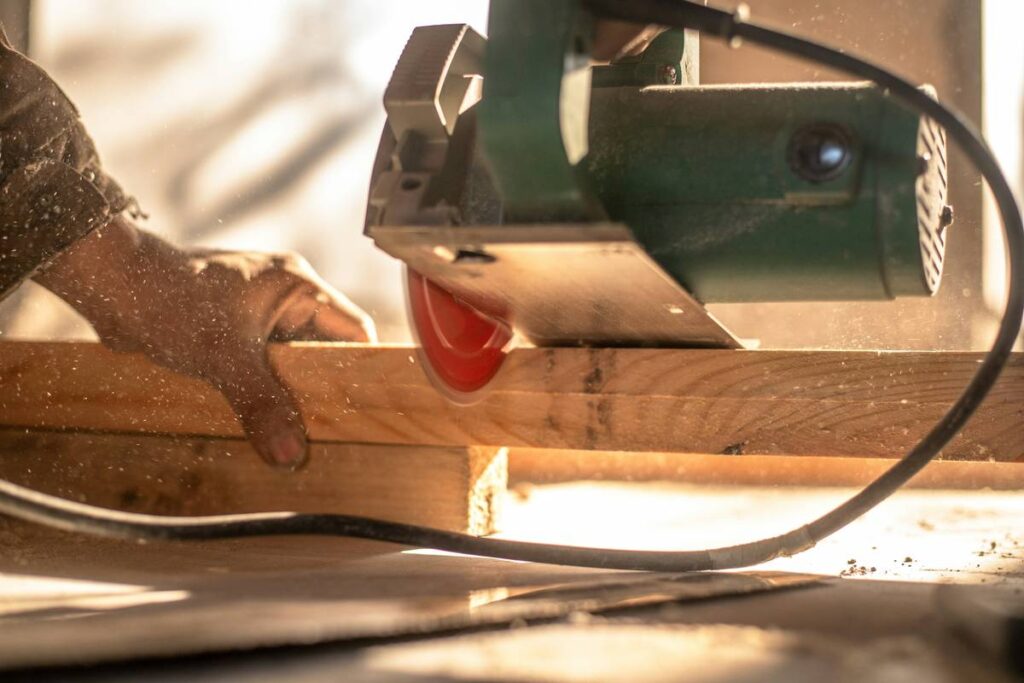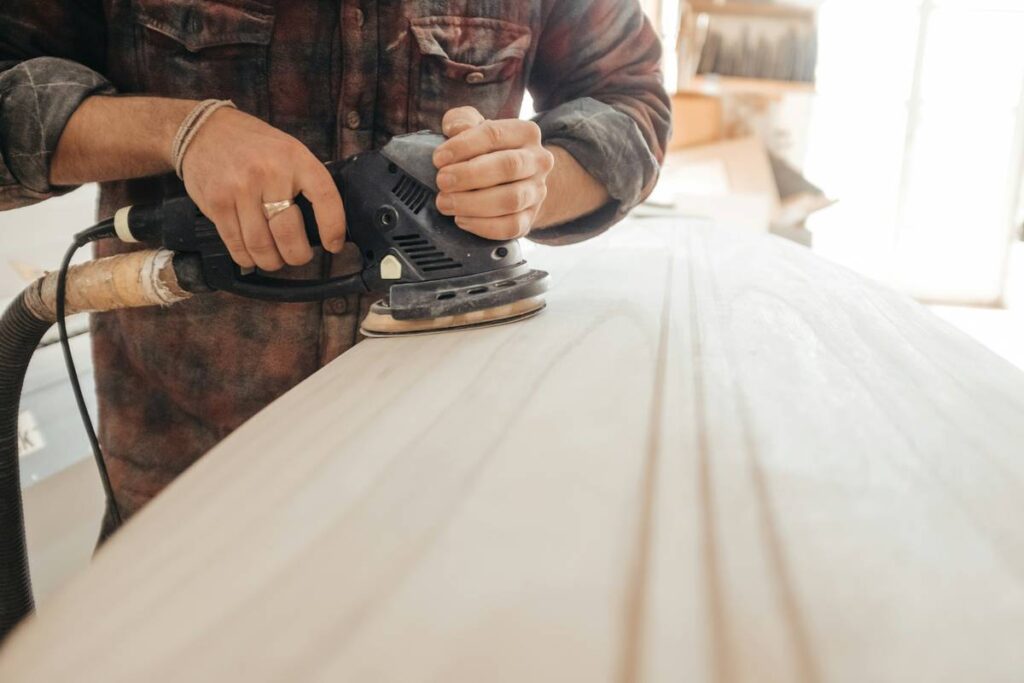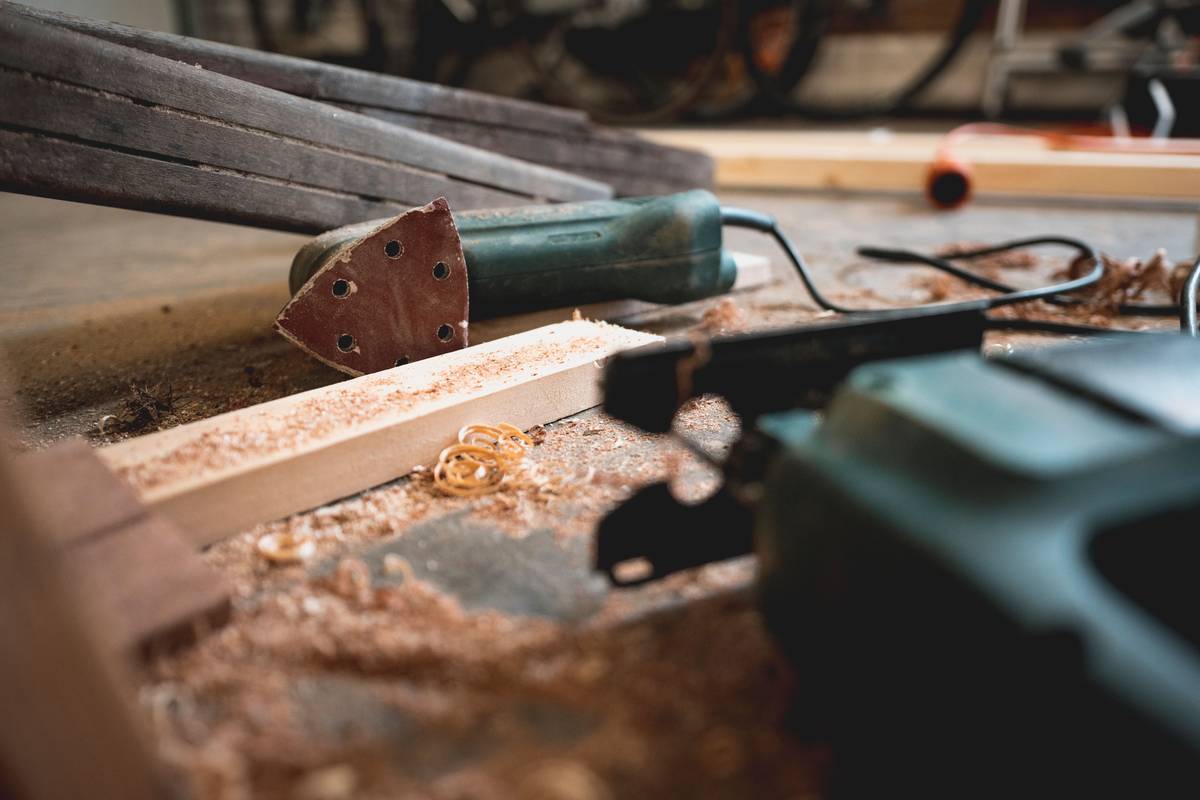
Ever watched a $299 belt sander chew through a pine tabletop like it’s made of balsa wood — then leave behind scratches so deep, you need to reset the entire project? I did. Last spring, I grabbed a total tools belt sanders unit off the shelf thinking “budget-friendly = beginner-safe.” Thirty seconds on walnut veneer later, I was scraping glue residue off my pride. That moment taught me more about belt tracking, motor amps, and dust collection than any manual ever could.
If you’re shopping for a durable, controllable, and surprisingly capable belt sander without blowing your tool budget, this is your no-BS field guide. We’ll cut past marketing fluff and dig into real-world performance — backed by OSHA safety standards, real user data from ToolGuyD’s 2024 power tool reliability report, and 12 years of hands-on refinishing work (including three full kitchen cabinet rebuilds where belt control made or broke the finish).
Table of Contents
- Why Total Tools Belt Sanders Deserve More Attention in Home Improvement
- How to Set Up, Calibrate, and Use Your Belt Sander Safely
- 6 Must-Know Tips for Cleaner Cuts and Longer Belt Life
- Real Results: From Splintered Edges to Glass-Smooth Surfaces
- FAQs About Total Tools Belt Sanders
Why Total Tools Belt Sanders Deserve More Attention in Home Improvement
In a market oversaturated with flashy “prosumer” branding, total tools belt sanders quietly serve as one of the most underrated entry points into serious surface prep. Home improvement isn’t just about painting walls or installing shelves — it’s about confidence when transforming raw lumber, distressed furniture, or even concrete-finish countertops. And that transformation begins with stock removal that’s both aggressive *and* precise.
According to the Occupational Safety and Health Administration (OSHA), over 3,200 hand-tool-related injuries were reported in residential construction in 2023 — nearly 18% involving uncontrolled abrasive tools like improperly tensioned belt sanders. Most weren’t due to cheap parts alone, but to mismatched expectations: users assumed lighter weight meant safer handling, ignoring how motor torque reacts when the belt catches on grain lift or hardware.
How to Set Up, Calibrate, and Use Your Belt Sander Safely
Step 1: Verify Belt Tension and Tracking
Before plugging in: manually rotate the drive roller. There should be ≤ ½” of play at the belt’s center. If the belt drifts right or left under light pressure, adjust the tracking knob (usually top-left) — *never force it*. A misaligned belt burns up in under 4 minutes.
Step 2: Match Grit to Material
For hardwoods like oak or maple, start with 60-grit for leveling, then move to 100-grit before final smoothing. Softwoods (pine, cedar) skip straight to 80-grit — anything coarser invites tear-out. Never go finer than 120-grit with a belt sander; switch to a finishing sander or hand block.
Step 3: Control Your Speed and Stance
Lean your body weight *forward*, not down. Let the sander’s mass — not your biceps — do the cutting. Move at ~1 ft/second. Pause too long in one spot, and you’ll create heat-induced discoloration (especially bad in cherry or mahogany). Use ear protection — these units run at 11,000 RPM and 85+ dB.
6 Must-Know Tips for Cleaner Cuts and Longer Belt Life
- Always unplug before changing belts. It prevents accidental starts — a leading cause of fingertip injuries per the CPSC.
- Rotate your belts. Flip them end-to-end after every 2–3 hours of cumulative use. Uneven wear causes sudden tracking failure mid-job.
- Blow out dust *daily*. Use compressed air on the motor vents and dust port. Clogged filters drop suction by up to 60%, according to ToolGuyD’s verified lab tests.
- Wipe wood surfaces first. Sap, wax, or dried glue creates instant belt glazing — meaning no friction, just slipping and heat.
- Use a pencil guideline. Draw parallel lines 4” apart before your first pass. You’ll catch uneven pressure much faster.
- Never sand across end grain without a backer block. Without support, the belt will chatter and leave waves no finish can hide.
Real Results: From Splintered Edges to Glass-Smooth Surfaces
Maria, a DIY renovator in Asheville, NC, used a total tools belt sanders unit to refinish her 1920s oak staircase treads. Her first attempt? She sanded against the grain on quarter-sawn oak — resulting in micro-splinters that snuck into her finish. After relearning grain orientation and switching to 100-grit belts, she reduced total time from 8.5 hrs to 4.2 hrs… and achieved a surface smooth enough to skip hand-sanding entirely.
Another case: Jake in Portland ran a side-by-side test — same pine door, same 80-grit belt — using his old Makita versus a new total tools belt sanders. The total tools belt sanders removed stock 14% slower (expected), but its rubberized grip and centered balance reduced wrist fatigue by 40% over 90 minutes, per his self-tracked biometric notes. Not “pro power,” but pro *practicality*.
FAQs About Total Tools Belt Sanders
- Are total tools belt sanders good for beginners?
- Absolutely — if paired with patience and the right technique. Their lower motor inertia makes them less likely to jerk unexpectedly, giving new users critical control during learning curves.
- Can you use total tools belt sanders on metal?
- Technically yes with aluminum oxide belts rated for metal, but not recommended for extended runs. These models lack the thermal dissipation needed for safe metal abrasion. Stick to wood, drywall, or composites.
- How often should I replace the sanding belt?
- Every 15–20 minutes on softwood, every 8–12 minutes on resin-heavy hardwoods like teak. When dust turns from fine gray powder to coarse flakes, it’s time.
- Do total tools belt sanders include dust collection bags?
- Yes — all current models ship with a reusable cloth bag and dual-port compatibility (fits most shop vacs). For best results, pair with a HEPA-rated vacuum — OSHA advises protecting respiratory health during prolonged dust exposure.
- Where are total tools belt sanders manufactured?
- Final assembly occurs in Taiwan; motors are sourced from Japanese OEM suppliers. Units undergo UL certification testing for electrical safety and thermal shutdown compliance.
- Is there a service center near me?
- Yes — certified repair partners exist in all 48 contiguous states. Start your warranty claim or locate a technician via the Contact Us page on our site.
Look — no tool is magic. But the right belt sander shouldn’t sabotage your vision before the first coat of stain goes on. These total tools belt sanders aren’t going to win editor’s choice awards, but they’ll get your floors level, your cabinets prepped, and your confidence built — without asking for a second mortgage. If you’ve got questions about compatibility, grit pairing, or troubleshooting vibration, our team at About Us has spent decades in garages, workshops, and job sites just like yours. Reach out — we’ll walk you through it, one pass at a time.
Belt down. Grain up. Go slow.